
Financial Resolutions That Stick: Building SMART Money Habits in 2025

Every new year begins with hope: “This year I’ll save more,” “I’ll clear my debt,” “I’ll take control of my money.” But by mid-year, most people feel stuck, overwhelmed, or distracted.
So what’s missing?
It’s not motivation — it’s a system.
At Firasaah, we believe that lasting financial change isn’t about making more money; it’s about building habits that align with your values, goals, and lifestyle. And the best way to do that is with SMART financial resolutions.
What Are SMART Money Habits?
The SMART framework helps transform vague intentions into structured, actionable goals:
- Specific – Clearly defined outcome
- Measurable – Quantifiable to track progress
- Achievable – Realistic given your resources
- Relevant – Matches your life stage and priorities
- Time-bound – Includes a clear deadline
Example:
- I want to save more this year.
- I will save $1,200 by December 31 by setting aside $100 per month.
Why This Matters in the US & GCC in 2025
United States:
- Student debt repayment has resumed.
- Cost of living remains high in urban centers.
- Gen Z and Millennials are turning to side hustles, but overspending via BNPL (Buy Now, Pay Later) apps is common.
GCC (UAE, KSA, Qatar, etc.):
- Rising VAT and changing expat benefits require tighter personal budgeting.
- Younger populations are entering the workforce with high aspirations but limited financial planning tools.
- Culturally, savings for marriage, family support, and Hajj/Umrah are major motivators.
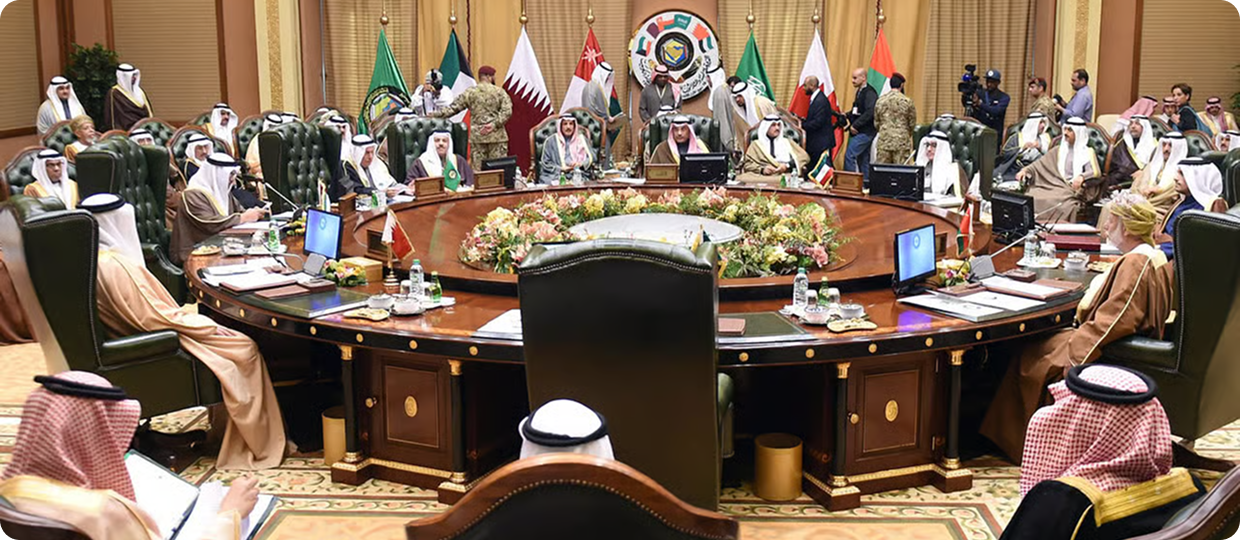
5 SMART Resolutions You Can Set Today
1. Emergency Fund Goal
- “I will build a $2,000 emergency fund in 8 months by saving $250/month.”
- US Tools: High-yield savings accounts like Ally or Marcus
- GCC Tools: Liv. by Emirates NBD or STCPay
2. Track Daily Spending for 30 Days
- “I will log every expense daily using Firasaah’s tracker to identify wasteful habits.”
- This builds self-awareness — the foundation of all change.
3. Credit Card Payoff Plan
- “I will pay off $1,500 in credit card debt over 6 months by paying $250/month.”
-
Pro tip (US): Use the avalanche method — pay high-interest debt first.
GCC context: Prioritize Murabaha-based Islamic credit products where interest is not applicable but fees are.
4. Automated Investment
- “I will invest $100/month into a diversified mutual fund starting this July.”
- US: Consider ETFs or a Roth IRA via Vanguard or Fidelity
- GCC: Use Sarwa (UAE) or local Shariah-compliant funds
5. Financial Learning Commitment
- “I will complete one finance course or book every quarter.”
Recommendations:
- “I Will Teach You To Be Rich” – Ramit Sethi
- “Smart Money Habits” – available through Firasaah

How to Build Habits That Last
1. Start Small
- Don’t try to change your entire financial life overnight. Instead of budgeting everything, just track one category — like groceries — this month.
2. Use Triggers
- Link your new habit to an existing one. Example: Review your budget every Friday morning with your coffee.
3. Automate What You Can
- US: Auto-transfer from checking to savings each payday
- GCC: Use standing instructions or apps that round up daily purchases
4. Review Monthly
- Use Firasaah’s dashboards to assess what worked and what didn’t. Adjust your goals quarterly.
Bonus Tips for GCC Audiences
- Save in multi-currency accounts to protect value
- Set Zakat goals annually, especially if you're an entrepreneur
- Budget for Eid, Ramadan, and family obligations early to avoid overspending during festive seasons
Real-Life SMART Resolutions from the Firasaah Community
Hiba (Doha, Qatar):
- “I cut my Uber usage by 40% by setting a weekly ride cap. I now save QAR 500/month without feeling deprived.”
Marcus (Dallas, USA):
- “I created a grocery budget with my wife and we cut food waste by half. We now invest the difference.”

Frequently Asked Question
01 What if I fall off track after a few weeks?
A: That’s normal. Restart with a smaller goal. Progress is not linear. Firasaah lets you reset your goals and start fresh any time.
02 What’s the best app to build money habits in the US and GCC?
A: Firasaah is purpose-built for both regions, offering culturally aware features, simple savings trackers, and real-time progress dashboards.
03 How do I make my goals realistic?
A: Compare them to your actual income and expenses. A good rule of thumb: No single goal should stretch you beyond 10-15% of your monthly income unless it's an emergency priority.
04 What’s more important — saving or investing?
A: Both are crucial. Start with saving an emergency fund, then move into low-risk investing once your basic safety net is in place.
05 Are SMART financial goals Shariah-compliant?
A: Yes — especially when structured with transparency and intention. Firasaah supports Islamic finance principles where needed.
Final Thoughts
The difference between a resolution and a result is consistency.
2025 can be the year you finally feel in control of your money — not through a huge windfall, but through deliberate, smart financial habits built one week at a time.
Start today with Firasaah. Set your first SMART goal. Track it. Celebrate it.
Because when your habits change, your future does too.